
DentoClude F® Device

Summary

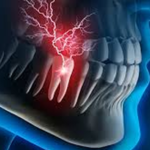
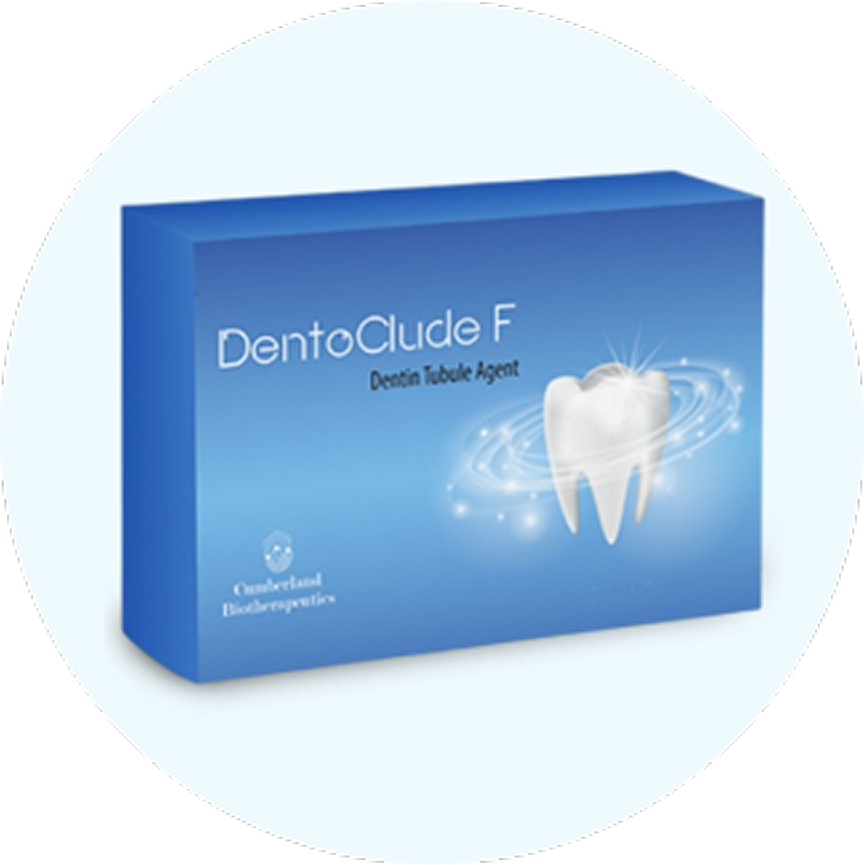
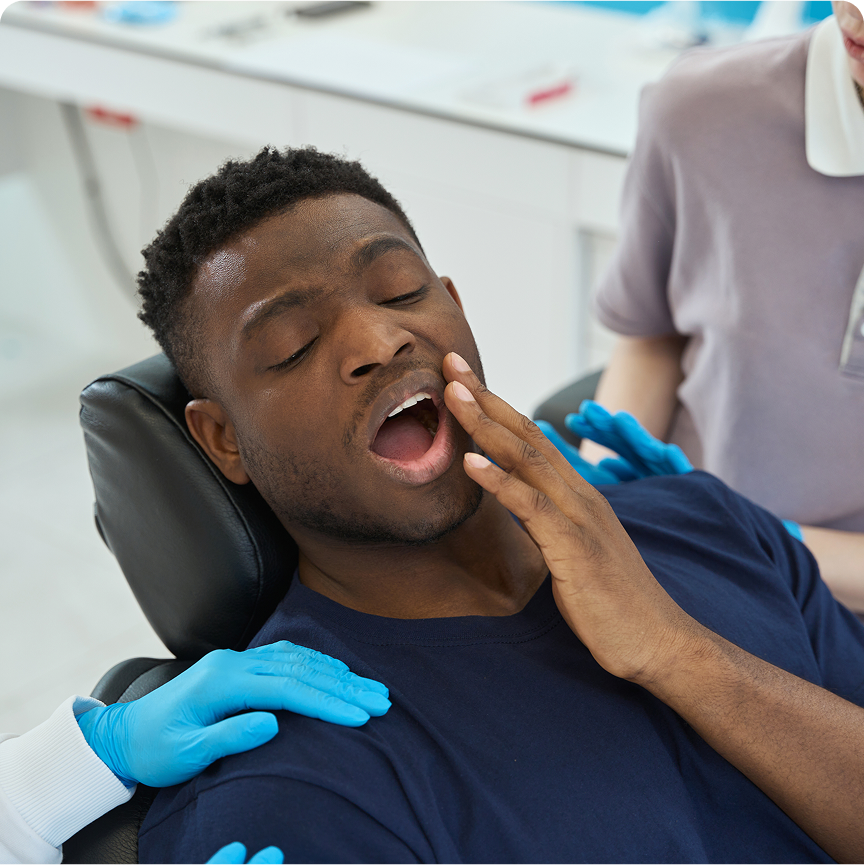
Cumberland Biotherapeutics developed DentoClude F® technology with bioactive glass with Fluoride, particle size of <1 µm that contains botanicals with anti-infective & anti-inflammatory active extracts. DentoClude F® is approved by the US FDA, USA and DCGI/ AYUSH, India. DentoClude F® is  available only through your Dental Provider. DentoClude F®, a NOVEL device with Bioactive Glass that blocks dentin tubules and prevents micro-leakage resulting in a decrease in sensitivity at root surface exposed due to periodontal disease or post periodontal therapy as well as periodontal and implant bone regeneration.

Ingredients

  • Neem
  • Pomegranate seed extract
  • Fluoride

Product Details

Description

DentoClude™ F with fluoride is intended to be used in the manner based on indications for use. DentoClude™ F contains Bioactive Glass with particle size of less than 1μm as the key ingredient designed to fill and block the dentin tubules.
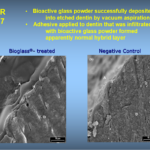
DentoClude™ F Tubule Agent should be used during the restoration of teeth. DentoClude™ F is applied to the exposed dentin and the solvent evaporated off, leaving the bioactive glass. DentoClude™ F is manufactured in such a way that it is intended to enter the exposed dentin tubules and penetrate to a greater depth that prevents microleakage and sensitivity. In addition, Bioactive Glass in studies suggests having an anti-inflammatory effect

Research And Publications

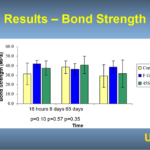
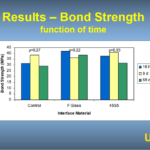
Desensitizing bioactive agents improves bond strength of indirect resin-cemented restorations: preliminary results

OBJECTIVE:
The aim of this study was to assess the bond strength of indirect composite restorations cemented with a resin-based cement associated with etch-and-rinse and self-etching primer adhesive systems to dentin treated or not with a bioactive material.

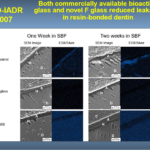
Bioactive glass reduces microleakage in resin-bonded dentin

OBJECTIVE:
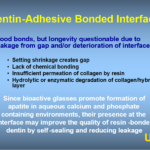
A major disadvantage to resin-dentin bonding is the tendency of the restorations to leak, due to incomplete infiltration of the demineralized collagen network with bonding resin, hydrolytic degradation of the resin, or attack of exposed collagen by native enzymes.

Comparative evaluation of diode laser, stannous fluoride gel, and potassium nitrate gel in the treatment of dentinal hypersensitivity

OBJECTIVE:
The aim of the present study was to compare the efficacy of diode laser (DL) with stannous fluoride and potassium nitrate gels in the treatment of dentinal hypersensitivity (DH).

Other Product

<?php echo esc_attr($product_name); ?> Thumbnail

VitoDerm Cream

Vitiligo (leukaderma) is a chronic (long-lasting) autoimmune disorder that causes...

$30

<?php echo esc_attr($product_name); ?> Thumbnail

LigoFlex Gel

Rheumatoid arthritis is a chronic autoimmune inflammatory disease that presents...

$26

<?php echo esc_attr($product_name); ?> Thumbnail

LigoFlex Capsules

Rheumatoid arthritis is a chronic autoimmune inflammatory disease that presents...

$26

<?php echo esc_attr($product_name); ?> Thumbnail

DentoClude F® Device

Cumberland Biotherapeutics developed DentoClude F® technology with bioactive glass with...